
Master Your Weekly Meal Prep
Discover the essential strategies, tools, and techniques to plan, prepare, and execute flawless weekly meal prep. Save time, reduce waste, and maintain consistent nutrition throughout your week.
Save 10+ Hours Weekly
Streamlined meal prep reduces daily cooking decisions and execution time dramatically.
Consistent Nutrition
Plan macronutrients in advance to support your health and wellness goals throughout the week.
Reduce Food Waste
Strategic planning ensures better inventory management and less spoilage at home.
Why Strategic Meal Prep Works
Meal preparation is far more than just cooking in bulk. It's a structured approach to nutrition planning that aligns your weekly food intake with your health objectives. By dedicating focused time each week, you create a foundation for better eating habits, improved energy levels, and greater food security.
The science behind meal prep shows that pre-planned nutrition reduces impulse eating, decreases reliance on ultra-processed convenience foods, and allows for precise portion control. When meals are ready and accessible, you're less likely to make hasty dietary choices.
- Intentional Planning: Design your week around real ingredients and balanced nutrition.
- Time Efficiency: Batch cooking and smart storage reduce daily prep by 80%.
- Budget Control: Buy what you plan to use; eliminate last-minute expensive takeaway.
- Consistency: Repeatable weekly structure builds sustainable eating patterns.
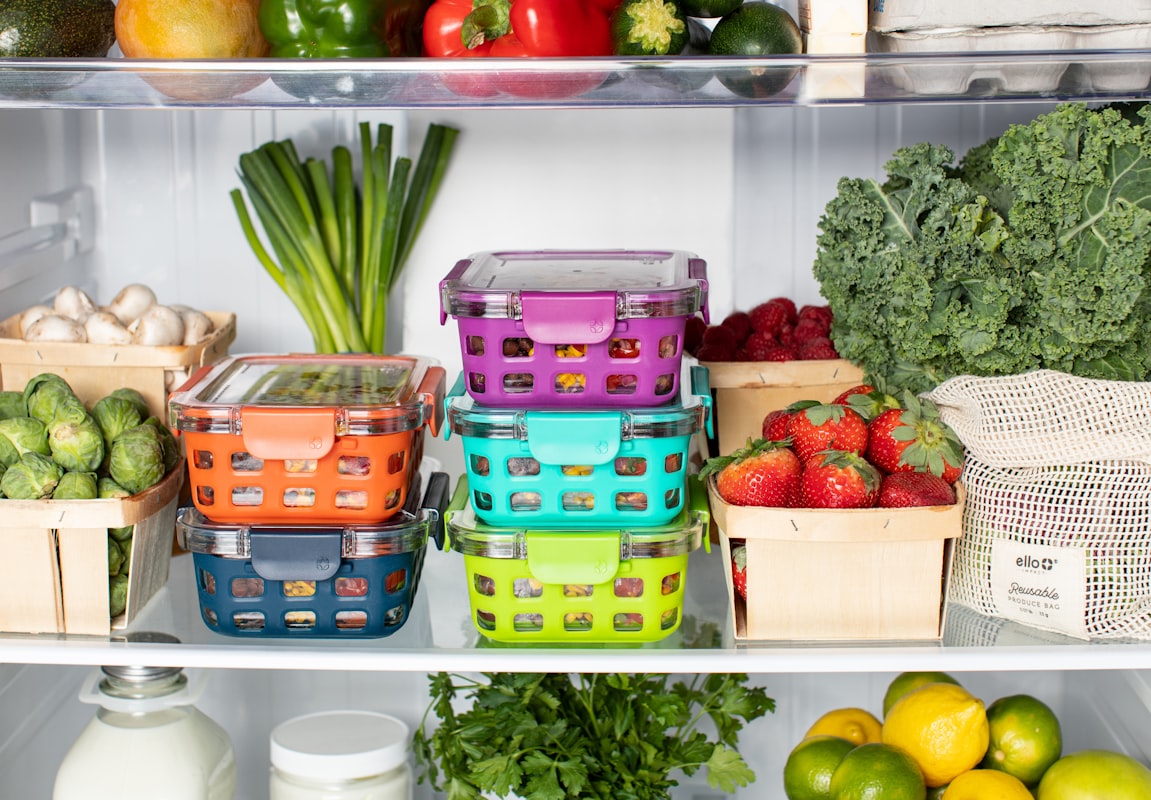
The 5-Step Weekly Meal Prep Workflow
Plan Your Menu
Spend 20-30 minutes reviewing your week ahead. Consider your schedule, energy needs, and food preferences. List the proteins, vegetables, and carbohydrates you'll prepare. Check your existing pantry to avoid duplicate purchases. Write down breakfast, lunch, dinner, and snack ideas for all seven days.
Shop Strategically
Create a detailed shopping list organized by grocery store sections—produce, proteins, dairy, pantry. Buy only what's on your list to avoid impulse purchases and waste. Choose items with longer shelf lives when possible. Consider seasonal produce for better nutrition and cost savings. Allocate one hour for shopping on your prep day.
Prep Base Ingredients
Clean and chop vegetables into uniform sizes for even cooking. Cook grains and proteins in bulk—rice, quinoa, lentils, chicken, fish. Wash and portion fresh produce. Prepare sauces or marinades in advance. This foundation step (1.5–2 hours) makes assembly later faster and easier. Store prepped items in airtight containers in the refrigerator.
Assemble and Container
Combine cooked ingredients into individual meal containers following your menu plan. Use portion-appropriate containers—typically 800–1200 calories per meal for lunch and dinner. Leave room for fresh toppings or dressings if desired. Label each container with the date and contents. Proper containerization is key to food safety and preventing spoilage during the week.
Store and Review
Refrigerate all prepared meals at 4°C or below. Most prepared meals stay fresh 4–5 days. Freeze extras beyond that timeline for later weeks. Take a photo of your prepared meals for motivation and reference. Review your plan mid-week—note what worked and what to adjust next time. This feedback loop continuously improves your system.
Essential Meal Prep Tools and Equipment
Glass Meal Prep Containers
Durable, microwave-safe, and long-lasting. Choose containers with compartments to keep proteins, vegetables, and carbohydrates separate. Look for snap-seal lids that prevent leaks. A set of 5–8 containers is ideal for a weekly rotation. Glass doesn't absorb odours or stains like plastic.
Quality Sharp Knives
Invest in one 8-inch chef's knife and a small paring knife. Sharp knives reduce prep time by 50% and make vegetable chopping safer and more enjoyable. A honing steel keeps blades sharp between uses. Proper knives transform meal prep from tedious to efficient.
Large Cooking Pots and Pans
A 5–8 litre pot for boiling grains and legumes, a large 12-inch skillet for sautéing vegetables, and sheet pans for roasting. Quality stainless steel or cast iron distributes heat evenly. These allow you to cook large batches simultaneously, cutting total prep time significantly.
Food Processor or Blender
Rapidly chops vegetables, makes sauces, and blends smoothies. A food processor saves 30–45 minutes weekly on dicing alone. Use it for slicing onions, shredding vegetables, making marinades, and preparing nut butters. Mid-range models (£40–80) deliver excellent value.
Meal Prep Planning Templates
Printed or digital templates organize your menu, shopping list, and prep timeline. Templates ensure you don't forget items and help track macronutrients. Digital versions (Google Sheets, apps) allow easy collaboration if meal prepping with others. Templates remove guesswork and speed planning by 15 minutes.
Food Scale and Measuring Tools
A digital scale ensures accurate portions and consistent macro tracking. Measuring cups and spoons help standardize recipes. Precision prevents overeating and supports your nutrition goals. Many scales feature a 'tare' function that zeros out container weight, simplifying portion sizing.
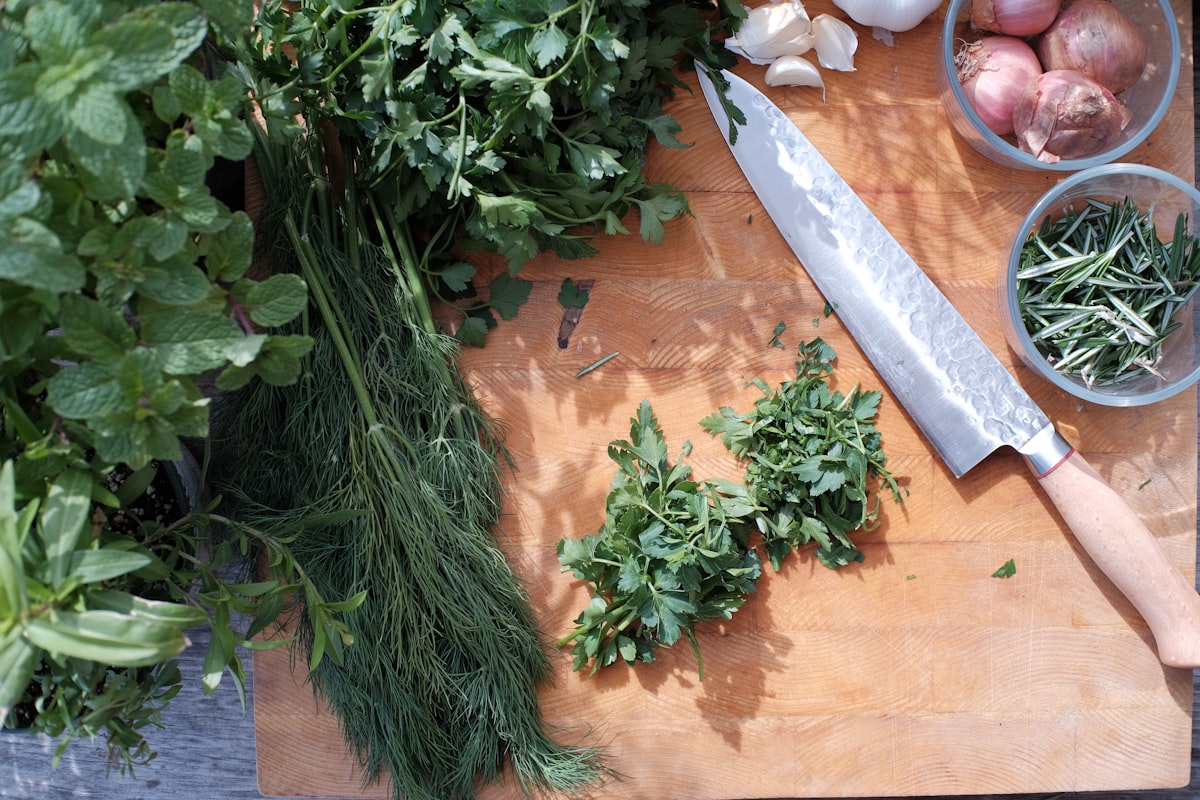
Balanced Nutrition Made Simple
The core principle of meal prep nutrition is the balanced plate: protein + vegetable + carbohydrate. This structure ensures stable energy, muscle recovery, and sustained satiety throughout your day.
Protein (25-30%)
Chicken, fish, beef, tofu, eggs, legumes. Choose varied sources for complete amino acid profiles and micro-nutrient diversity.
Vegetables (30-40%)
Aim for colour variety—dark leafy greens, orange root vegetables, cruciferous options. They provide fibre, vitamins, and minerals with minimal calories.
Carbohydrates (30-40%)
Brown rice, sweet potato, quinoa, oats. Choose whole grains to maintain stable blood sugar and provide sustained energy for your activities.
Healthy Fats (10-15%)
Olive oil, avocado, nuts, seeds. Include in dressings or as toppings to support nutrient absorption and hormone health.
Food Safety and Storage Best Practices
Proper storage extends the lifespan of your meals and keeps your food safe. Follow these evidence-based guidelines to maximize freshness and prevent spoilage.
Refrigeration Rules
- Temperature: Keep your fridge at 1–4°C. Use a thermometer to verify actual temperature.
- Duration: Cooked meals last 4–5 days. Raw meat 2–3 days. Freeze beyond these timelines.
- Placement: Store prepared meals on middle shelves. Lower shelves stay colder.
- Separation: Keep raw proteins separate from ready-to-eat meals to prevent cross-contamination.
- Labelling: Always date containers. Older meals go in front of newer ones.
Freezer Storage Tips
- Portion Size: Freeze in single-meal portions for easy thawing and reheating.
- Flat Freezing: Freeze flat in bags first, then stack. Saves space and thaws faster.
- Duration: Properly frozen meals stay safe 2–3 months. Label with freeze date.
- Thawing: Move meals to the fridge 24 hours before reheating. Never thaw at room temperature.
- Avoid: Avoid freezing raw vegetables, creamy sauces, and delicate textures like cooked leafy greens.
Meal Prep Questions Answered
How much time does weekly meal prep take?
A typical session takes 2–3 hours including planning, shopping, cooking, and containerizing. Break it into steps: 30 minutes planning + 60 minutes shopping + 90 minutes cooking + 30 minutes assembly. Many people front-load time on Sunday to enjoy free time during the week.
Can I prep meals if I eat different foods each day?
Absolutely. Prep components instead of complete meals—cook several proteins, multiple vegetables, and different carbs. Mix and match throughout the week. This method offers variety while still saving time. Create a simple chart tracking which component pairs well together.
What's the best day to do meal prep?
Sunday or Monday work best for most people, aligning prep with the start of the work week. Choose a quiet day when you're not rushed. Some people prep twice weekly—Sunday for Monday–Wednesday and Wednesday evening for Thursday–Sunday. Find the rhythm that fits your schedule.
How do I prevent meals from getting boring?
Rotate proteins weekly—chicken one week, fish the next, then beef and legumes. Vary sauces and seasonings. Prep sauces separately so you can customize flavours. Use different vegetables each week. These small changes maintain nutritional variety and keep your palate interested.
Is meal prep suitable for families?
Yes. Prep larger batches of basic components and adjust portions by family member. Older children can help with washing, mixing, and packaging. Teach them nutrition basics while working together. Family meal prep saves money and creates healthy eating habits early.
How do I meal prep with dietary restrictions?
Meal prep actually simplifies managing restrictions—you control every ingredient. Plan around your specific needs (gluten-free, vegan, nut-free, etc.). Keep separate cutting boards and cookware if cross-contamination is a concern. Label clearly so others in your household don't mix up meals.
Can I prep meals without expensive equipment?
Absolutely. You need only basic knives, pots, and containers. A simple plastic food container, regular pans, and any sharp knife work fine initially. A food scale costs £15–20. Upgrade gradually as you find what tools you actually use. Start simple and build from there.
How do I handle meals with fresh salads or salad dressings?
Pack salad components separately—greens in one container, dressing in another. Assemble just before eating to prevent sogginess. Alternatively, use heartier vegetables like roasted broccoli, cooked beans, and grains that hold moisture better. These elements stay fresh 4–5 days easily.
Meal Prep Inspiration Gallery
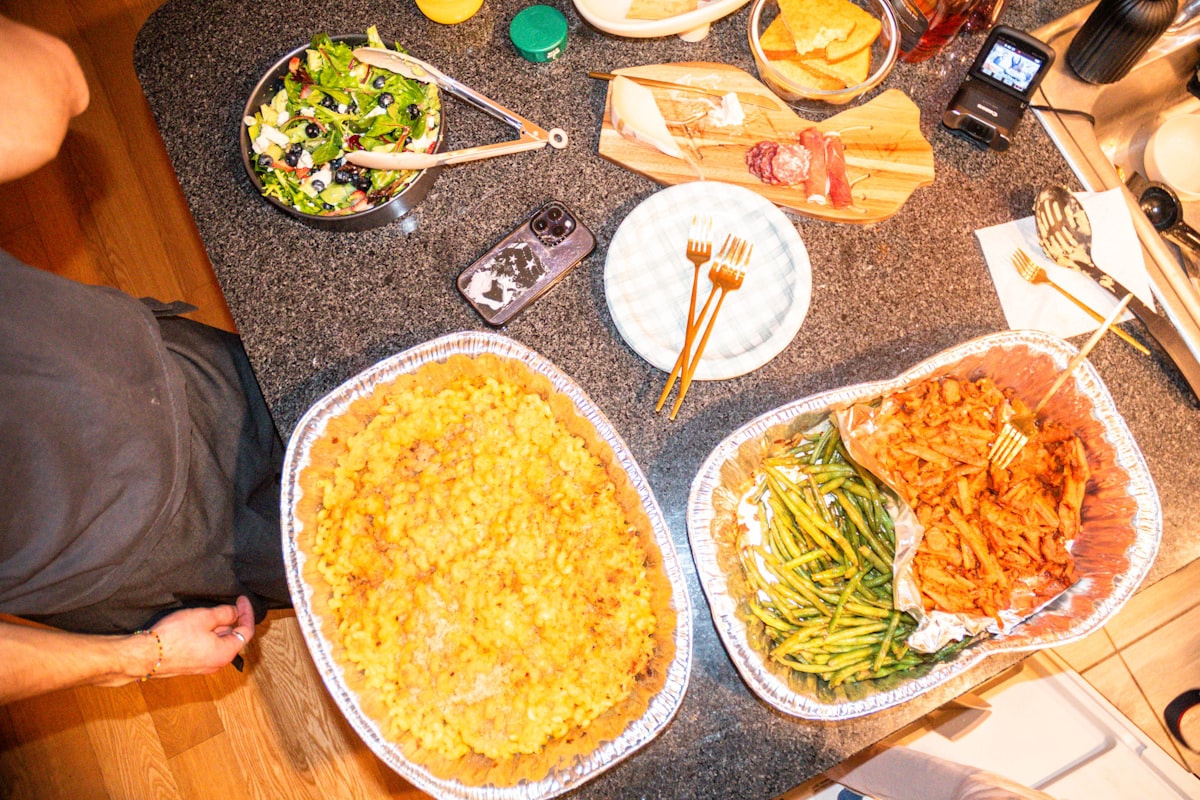
Buddha Bowl Prep
Quinoa, roasted vegetables, tahini dressing
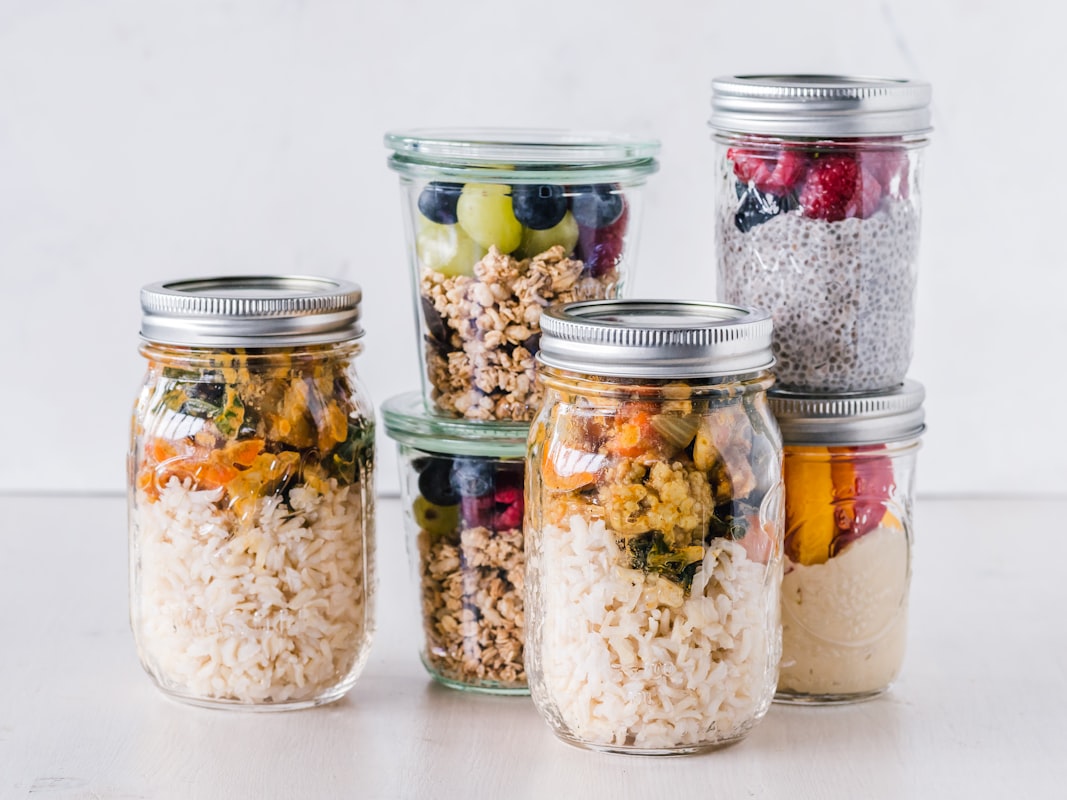
Smoothie Bowl
Green base with granola and berries
What Our Clients Say
Real transformations from real people following our nutrition guidance
"Vital Nutrition Path completely transformed how I think about food. I've lost significant weight and have more energy than ever. The personalized meal plans are easy to follow and genuinely delicious."
Sarah Mitchell
Sydney, Australia
"The nutrition coaching has been a game-changer for my fitness goals. I finally understand macro balance and how to fuel my body properly. Highly recommend to anyone serious about health!"
James Chen
Melbourne, Australia
"Finally found someone who understands my dietary needs. The holistic approach to nutrition, not just calorie counting, has improved my digestion and overall wellness. Thank you!"
Emma Rodriguez
Brisbane, Australia
Ready to Transform Your Health?
Start your nutrition journey today with a personalized consultation. Our expert team is here to guide you toward lasting, sustainable wellness.
Frequently Asked Questions
Find answers to common questions about our nutrition services
How long does it take to see results from nutrition changes?
Most clients notice improvements in energy levels within 1-2 weeks. Visible physical changes typically occur within 4-6 weeks with consistent adherence to personalized nutrition plans. Long-term sustainable results develop over 3-6 months.
Do you cater to specific dietary requirements?
Absolutely! We specialize in customizing plans for vegetarian, vegan, gluten-free, dairy-free, and other dietary preferences. Our nutritionists work with you to ensure your diet aligns with your health goals and lifestyle choices.
What's included in a nutrition consultation?
Our consultations include a comprehensive health assessment, dietary analysis, personalized meal planning, supplement recommendations where needed, and ongoing support. Initial sessions are 60 minutes, with follow-ups tailored to your needs.
Can I do nutrition coaching online?
Yes! We offer both in-person consultations and convenient online coaching sessions via video call. Online sessions provide the same level of personalized guidance and support as in-person visits.
How much does nutrition coaching cost?
Pricing varies based on the program and consultation frequency. Initial consultations start from $79. Ongoing coaching packages range from $299-$699 monthly depending on the level of support and meal planning included. We also offer corporate wellness programs.